







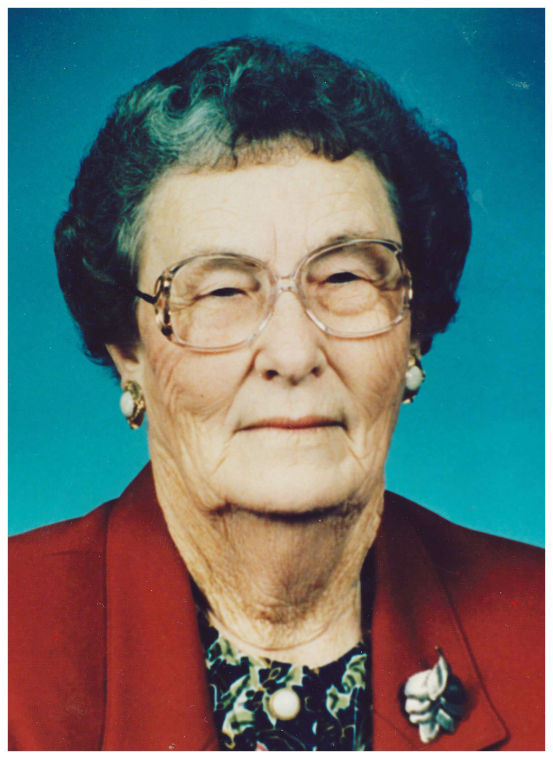
Winnie Sumter may not have the same level of historical recognition as her husband, Bass Reeves, but she holds an essential place in the history of the American West. Known primarily for being the second wife of one of the first African American U.S. Deputy Marshals, her life remains a fascinating yet underexplored part of Reeves’s story. In this article, we delve into the life of Winnie Sumter, her marriage to Bass Reeves, and her legacy.
Early Life and Background of Winnie Sumter
Unfortunately, there is limited information available about the early years of Winnie Sumter. The records on her birth and family background are sparse, and much of her life before marrying Bass Reeves remains a mystery. What is known is that she was born around the late 19th century, and like many women of that time, her early years were not widely documented in historical texts.
What we do know about her life mainly begins after she became connected to the famous lawman, Bass Reeves. During the time when she and Reeves were together, many of the historical records focused more on Reeves’s extraordinary career rather than on his personal life. This lack of documentation of Winnie’s earlier years leaves room for speculation, but it also underscores the often-overlooked roles women like Winnie played during those times.
Marriage to Bass Reeves: A New Chapter
Winnie Sumter married Bass Reeves in 1900 after the death of his first wife, Nellie “Jennie” Reeves. Their marriage marked a significant shift for Bass Reeves, who, at the time, had already made a name for himself as one of the most formidable deputy marshals in the Wild West. Reeves, who was known for his bravery and unyielding pursuit of justice, had a reputation for being a tough lawman who was respected by many, feared by outlaws, and admired for his contributions to law enforcement in the Indian Territory.
In 1900, Winnie and Bass began their life together in Muskogee, Oklahoma, where they were prominent members of the community. Together, they had at least one child, Bass Reeves Jr., further cementing their bond and creating a legacy that would carry on beyond their time. The exact details of their relationship, however, are not well-documented, and much of their personal life remains a mystery.
Life with Bass Reeves: A Woman Behind the Legend
While Winnie Sumter did not gain the same fame as her husband, her role as his second wife was undoubtedly significant. Bass Reeves was a legendary figure who worked in law enforcement during the late 1800s and early 1900s. As one of the first African American deputy marshals west of the Mississippi, Reeves was known for his exceptional skills in tracking down outlaws, his bravery, and his commitment to justice.
Though much of the focus in historical accounts has been on Bass Reeves’s career, it’s important to recognize the support and stability that a spouse like Winnie Sumter would have provided. Being married to such a legendary figure likely came with its challenges, as Reeves was often in dangerous situations while pursuing criminals across vast and rugged territories. Winnie would have been there during the ups and downs of his career, offering her support through the turbulent times of the Old West.
Legacy and Historical Impact of Winnie Sumter
While Winnie Sumter may not have left behind a detailed personal history, her legacy is intrinsically linked to that of her famous husband. Her role as the wife of Bass Reeves positions her within the larger historical narrative of the American frontier and the struggles for justice and equality. Bass Reeves is often hailed as one of the first African American lawmen, and his success was partly due to the stability and support that his family provided.
The fact that Winnie raised Bass Reeves Jr. adds another layer to the legacy of their family. Bass Reeves Jr. went on to live his life in the shadow of his father’s great achievements, and in many ways, the Reeves family’s story encapsulates the complexity of life in the American West, where personal stories often intertwine with broader societal struggles and historical movements.
Life After Bass Reeves: The Untold Story
There is little information available about Winnie Sumter’s life following the death of Bass Reeves in 1910. Some historical records suggest she lived a quiet life after his passing, but specific details about her later years are elusive. It is possible that she lived in relative obscurity compared to her time with Reeves, as women of that era often had their histories overshadowed by the achievements of the men in their lives.
Her role in Bass Reeves’s life, however, cannot be diminished. Even though history has focused more on Bass Reeves’s achievements, Winnie Sumter’s life represents the untold stories of many women in the American West who supported and influenced the course of history in ways that are not always documented. The quiet resilience of these women helped shape the fabric of American history during one of the nation’s most turbulent and formative periods.
Conclusion: Winnie Sumter’s Place in History
In conclusion, Winnie Sumter may not have been a public figure in the same sense that Bass Reeves was, but her life and legacy are inseparable from his. As his second wife, Winnie played a significant role in the life of one of the most celebrated lawmen in American history. Though the details of her life before and after marriage remain a mystery, her connection to Bass Reeves ensures that she holds a lasting place in the annals of American history.
Her story reminds us of the many unsung heroes who played important roles behind the scenes in shaping the Wild West and the stories of those who lived in it. While we may never know everything about Winnie Sumter, we can appreciate the lasting impact she had on the life and legacy of Bass Reeves, a man whose courage and commitment to justice continue to inspire people today.
Explore hidden gems of entrepreneurship and legacy at Businessperch.com—dive into the stories that inspire!


