







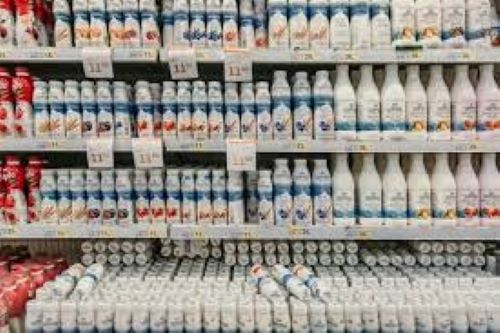
Milk is one of the most essential foods in households worldwide. It provides calcium, protein, and other nutrients necessary for healthy growth. Because of this, any shortage of milk immediately catches the attention of consumers and media alike.
Recently, reports of milk shortages have appeared in various countries. People notice empty shelves, higher prices, and sometimes limited access to dairy products. These shortages raise concerns among families, restaurants, and food manufacturers.Understanding what causes a milk shortage helps people stay informed and find alternatives. Shortages can affect everything from school breakfasts to coffee shops and bakeries.
In this article, we will explore the main causes of milk shortages, their effects on consumers, and possible solutions that dairy companies and individuals can adopt.By the end, readers will have a clear understanding of why milk shortages happen and how to deal with them effectively.
What Is a Milk Shortage?
A milk shortage occurs when the demand for milk exceeds the available supply. This can happen locally, regionally, or even nationally depending on the circumstances. It doesn’t always mean that milk production has stopped, but rather that supply cannot meet current demand.Shortages often appear as empty shelves in supermarkets, smaller quantities per customer, or increased prices. Sometimes, only certain types of milk, like full cream or organic milk, are affected.
The causes of milk shortages are usually complex, combining natural, economic, and logistical factors. Weather, production costs, and global demand all play a role.Consumers may confuse temporary shortages with permanent discontinuation of products. For milk, this is rarely the case because it remains a staple food product globally.Recognizing the difference between short-term supply issues and long-term problems helps reduce panic among buyers.
Recent Milk Shortage Reports
Recently, milk shortages have been reported in several countries, including the United States, the United Kingdom, and parts of Asia. Stores in urban and rural areas sometimes struggle to keep shelves stocked.
These shortages have been influenced by multiple factors, including extreme weather, higher feed costs, and changes in transportation. For example, droughts in farming regions reduce the amount of milk produced by cows.Media coverage and social media posts amplify public awareness of milk shortages. Photos of empty shelves often circulate widely, making the situation appear worse than it is.
Retailers have occasionally limited the number of milk cartons per customer to ensure more people can access it. Such measures help manage the temporary imbalance between supply and demand.Understanding these reports helps consumers take appropriate measures without overreacting or hoarding products unnecessarily.
Main Causes of Milk Shortages
Supply Chain Disruptions
Milk is a perishable product, and its supply chain is highly sensitive. Transportation delays, labor shortages, or logistical problems can prevent milk from reaching stores on time. A delay of even a few days can create visible shortages.
Increased Demand
Consumer demand can fluctuate unexpectedly. During school holidays or festive seasons, more milk may be purchased for cooking and baking, temporarily outpacing supply.
Weather and Farming Challenges
Extreme weather events such as droughts, floods, or heatwaves affect cows’ ability to produce milk. Poor pasture quality or water scarcity reduces yields, causing lower production.
Transportation and Distribution Issues
Milk needs to be refrigerated during transportation. If there are truck shortages, fuel price hikes, or logistic bottlenecks, distribution is affected, leading to store shortages.
Economic Factors
Rising feed costs, labor expenses, and inflation can make milk production more expensive. Some farmers may reduce production temporarily, further affecting supply.
Effects of Milk Shortages on Consumers
Milk shortages have direct and indirect effects on consumers. Firstly, prices usually increase due to scarcity. A simple carton of milk may cost significantly more than usual.Secondly, limited availability means families may need to visit multiple stores to find milk. This adds inconvenience, especially for those in rural areas.
Thirdly, dairy-dependent products such as cheese, butter, and yogurt may also become more expensive or scarce.Restaurants, cafes, and bakeries may need to adjust their menus, leading to indirect effects on the economy and consumer choices.Overall, a milk shortage impacts both daily consumption and the wider food industry.
How Dairy Companies Are Responding
Dairy companies are aware of the challenges and often take measures to reduce shortages. Some increase production during high-demand periods to meet consumer needs.Companies may also adjust their supply chains, using alternate transportation routes or improving refrigeration logistics to ensure milk reaches stores on time.
Some brands diversify their product range with long-life UHT milk or powdered milk to reduce dependence on fresh supply.Collaboration with local farmers is another strategy. Ensuring steady production and quality helps prevent shortages.Communication with retailers and consumers is crucial. Announcements about temporary shortages can help manage expectations.
Alternatives During Milk Shortages
During milk shortages, there are several alternatives consumers can try. Plant-based milks such as almond, soy, oat, and rice milk are increasingly popular. They are widely available and often fortified with nutrients like calcium.
Powdered or UHT milk provides longer shelf life and can be stored without refrigeration for a limited time. This is especially useful during temporary supply disruptions.Small local dairy farms may have fresh milk available. Supporting them can help meet demand while ensuring quality.
Using milk substitutes in cooking, like cream or yogurt in recipes, can also reduce reliance on fresh milk during shortages.These alternatives ensure that daily nutrition and food preparation are not heavily disrupted.
How Long Will the Milk Shortage Last?
The duration of a milk shortage depends on its cause. If it’s due to weather-related production issues, it may last weeks or months until conditions improve.Supply chain and transportation problems are usually resolved faster, often within days or weeks once logistics normalize.
Economic and labor-related shortages may take longer to stabilize, requiring planning and investment by dairy companies.Consumers should monitor updates from official sources and local retailers for accurate information.Patience and alternative options help manage short-term shortages without panic.
FAQs About Milk Shortage
Q1: Is milk permanently unavailable?
No, milk shortages are usually temporary and depend on supply and demand.
Q2: Why are milk prices rising?
Limited supply, higher production costs, and increased demand lead to price increases.
Q3: Can plant-based milk replace regular milk?
Yes, plant-based alternatives like almond, soy, or oat milk are good substitutes.
Q4: How can I find milk during shortages?
Check multiple stores, online retailers, or local farms for availability.
Q5: Do milk shortages affect other dairy products?
Yes, cheese, butter, yogurt, and other products may also see limited supply or higher prices.
Final Thoughts on Milk Shortages and Solutions
Milk shortages are often caused by a combination of production, distribution, and demand challenges. They are usually temporary rather than permanent.Understanding the reasons behind shortages helps consumers stay informed and avoid panic buying.Dairy companies are actively taking steps to stabilize supply and ensure milk reaches stores on time.
Exploring alternatives such as plant-based or powdered milk can help manage daily needs.With patience, planning, and awareness, milk shortages can be managed without major disruption to households or the food industry.
Know more on BusinessPerch.com


