







The car customisation world is full of bold design, shining paint‑jobs and unique builds. At the heart of this world sits West Coast Customs (WCC), a company that became famous for turning ordinary vehicles into true one‑off showpieces. In this article we explore its story: how it began, what it does today, whether it’s still in business, the challenges it faces, how it stacks up against competitors, its financial footing, and what the future might hold for it. If you’ve ever wondered whether the brand still delivers or is just riding on past glories, read on.
History of West Coast Customs
West Coast Customs was founded by Ryan Friedlinghaus (with co‑founder Quinton Dodson in some accounts) in the mid‑1990s in Southern California. According to Friedlinghaus, he started with a small loan from his grandfather and a passion for car modification. The business initially did modest custom jobs before gaining major exposure through television.
The show Pimp My Ride on MTV, which featured WCC as the build shop for several seasons, propelled the brand into mainstream awareness. Moving locations several times within the Los Angeles region, WCC eventually settled into a state‑of‑the‑art 60,000 sq ft facility in Burbank, California. Over time the business expanded beyond just celebrity cars into brand partnerships, global franchises and its own academy. In short: WCC rose from a small custom shop to a recognised global name in high‑end vehicle customisation.
Is West Coast Customs Still in Business?
Yes — West Coast Customs is still operational. As of mid‑2023 they are still listed online, still taking projects and still marketing themselves as a full‑service custom shop. Although their prominence may have changed from their TV‑peak era, the business remains active.
It’s worth noting that while the huge public spotlight from the early TV days has lessened, WCC appears to have refocused on broader services, brand work and their “academy” initiative. So, if you were asking “is WCC still in business?” — the answer is yes, but perhaps in a slightly different form than its early high‑profile heyday.
What Exactly Does West Coast Customs Do?
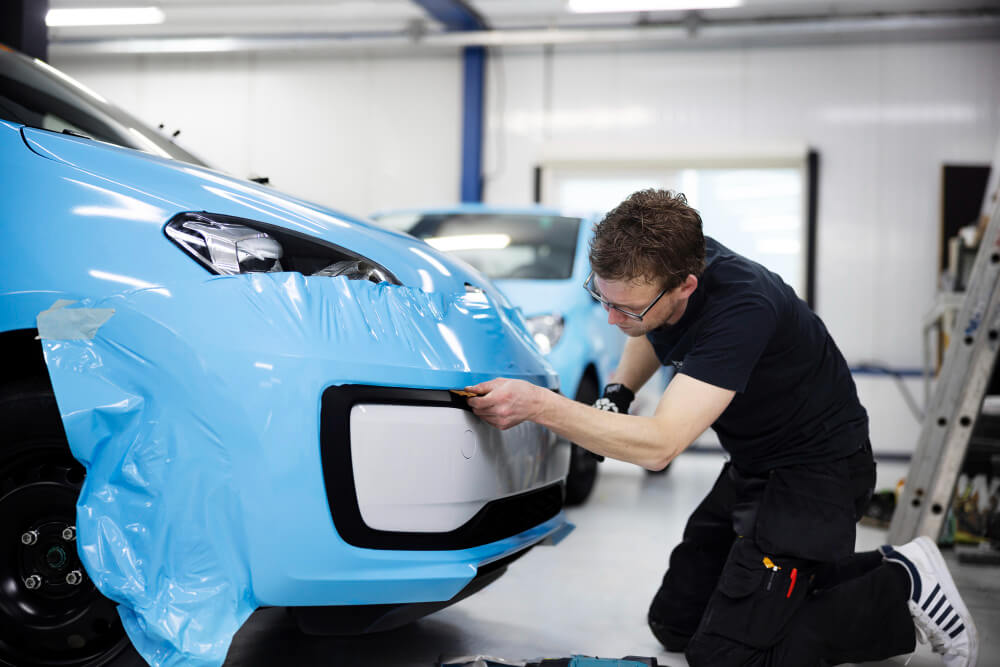
West Coast Customs specialises in high‑end custom vehicle builds. According to their own website, they describe themselves as “your one stop shop for all your car customisation needs” including a veteran team of technicians, fabricators, designers, painters and more. Their services cover everything from full custom builds—bodywork, custom interiors, audio/visual systems, one‑off paint jobs—to more modest customisations like wraps, wheels and smaller upgrades.
Current Struggles and Controversies
Even a high‑profile business like West Coast Customs has had its share of challenges. One persistent area of criticism has been build quality and practical usability of some projects. A former participant in Pimp My Ride claimed his car, after WCC build, had significant issues and little mechanical work done. Another major issue concerned labour practices: in 2014 the US Department of Labour found WCC in violation of wage and overtime laws, with the company later paying back wages and penalties.
Franchising efforts have also met obstacles: some international branches closed after insolvency.The financial recession of 2008 also impacted the custom‑car market, and WCC admitted that orders dropped and layoffs happened. These kinds of issues suggest that while the brand carries weight, the underlying business is subject to real pressures: ensuring build quality, sustaining market demand, managing costs, and maintaining brand reputation.
West Coast Customs vs. Competitors
In the custom automotive world, WCC occupies a prestigious niche—but it is not alone. There are other custom shops globally and regionally that offer bespoke builds, high performance packages and luxury finishes. Compared with many competitors, WCC benefits from strong brand recognition (thanks partly to its TV exposure) and a large facility and team.
However, competitors may have advantages in specific areas: for example, some might specialise in performance tuning rather than show‑car aesthetics, or focus on restoration rather than custom art. Also, local shops may be more cost‑effective for typical clients. WCC’s high price and celebrity focus may limit its addressable market.
One way to view the comparison: WCC is the “lifestyle/branding” custom shop (shows, celebrity cars, global exposure), while many competitors are “engine‑performance” or “restoration” custom shops working quietly behind the scenes. From an SEO perspective for WCC, the differentiation is that they sell “wow” builds and global brand tie‑ins, not simply standard upgrades.
A Look at the Money: Is West Coast Customs Financially Stable?
The available publicly‑estimated figures suggest WCC generates multi‑million‑dollar annual revenue. For example, a business‑data site places its estimated annual revenue at around US$43.6 million. Older data (e.g., Wikipedia) gave revenue around US$10 million in 2008.
The broad jump suggests the company has grown, but estimated figures should be treated with caution (private company, limited disclosures). Given the costs of high‑end custom builds, large facility overhead, and the cyclical nature of luxury/custom markets, financial stability depends on consistent high‑margin projects, brand partnerships, and diversifying beyond single builds (academies, licensing, merchandise).
In short: there are signs of financial viability, but given the business model’s risk and niche nature, the financial stability is more fragile than that of a mass‑market automotive company. For someone assessing WCC for a project, it would be wise to ask for current case studies, wait times, buildup of backlog and contract terms.
Future Outlook for West Coast Customs
Looking ahead, several factors will shape WCC’s future. First: the custom‑car market itself. As car design evolves (e.g., more electric vehicles, software‑centric features), custom shops will need to adapt—customising EV bodies, battery architecture, digital dashboards. WCC’s history of brand partnership and new academy suggests some attention to this.
Second: brand reputation and trust. Given past controversies, maintaining high quality, meeting deadlines and transparent pricing will be crucial. In a world where social media amplifies issues, one poor build can affect brand value.
Third: global expansion and diversification. WCC has already attempted franchises; succeeding in markets with growing luxury‑car culture (Middle East, Asia) could provide new growth. But expansion carries risk.
Fourth: content and media. The brand built itself partly via TV. In the future, digital content, YouTube builds, influencer collaborations may matter as much as showroom builds.
If WCC can leverage its brand, adapt to new automotive tech (EVs etc), and maintain impeccable quality, it has a strong future. If not, it risks becoming a legacy name resting on past glories.
Conclusion
West Coast Customs is a fascinating case study: started by a young enthusiast, scaled into a global custom‑build brand, featured on TV, worked for celebrities and global brands. It is still in business, still taking on custom projects, and still carries serious brand weight. But the journey is not without bumps—labour controversies, build‑quality criticisms, and the challenge of sustaining luxury custom builds in a shifting automotive landscape.
For anyone looking to engage with WCC, the key takeaways are: check current portfolio, verify turnaround times, understand pricing and scope, and ensure that the custom work fits both your vision and your practical needs. From a broader perspective, WCC illustrates how customisation, branding and media‑presence can combine—but also how such a business must keep evolving.
In a world where cars themselves are changing rapidly, WCC’s ability to adapt will determine whether it remains a top destination for custom builds—or simply a reminder of an earlier era of automotive showmanship.
Also Read:


