







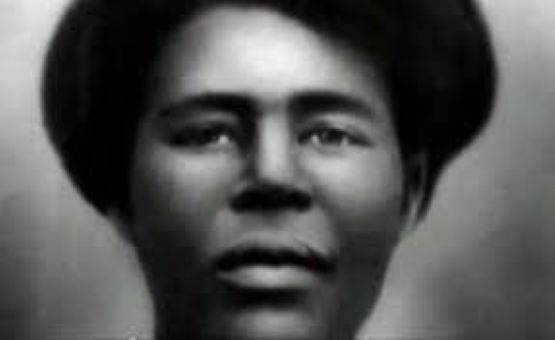
Temperance Fitzgerald, also known as Temperance Williams Fitzgerald, was born in 1894 and is believed to have died around 1932. She appears in family history records rather than major public history. Her life belongs to a period when many women left limited written records behind. You can understand her through genealogy, census entries, marriage records, and family trees. Her story matters because it helps connect names, dates, families, and descendants across generations.
Early Life and Family Background
Temperance was born into the Williams family in the late nineteenth century. Public details about her childhood remain limited. This was common for women born during that period, especially if their lives did not appear in newspapers or official public accounts. Family records may provide clues about her parents, siblings, birthplace, and early community. If you research her life, start with birth records, census data, and family tree entries connected to the Williams surname.
Marriage and the Fitzgerald Family
Temperance became connected to the Fitzgerald family through marriage. Her name often appears as Temperance Williams Fitzgerald, which shows her maiden surname and married surname together. Marriage records can help confirm her spouse, wedding date, and place of marriage. These records can also show witnesses, parents, or local officials. If you want a clearer picture of her life, marriage documents are one of the most useful sources to review.
Life in the Early 20th Century
Temperance lived during a period of major social and economic change. The early twentieth century brought changes in work, travel, education, and family life. Many families moved for farming, labor, or better living conditions. Women often managed homes, raised children, supported family work, and helped maintain community ties. Her life likely followed many duties common to women of her time, but exact details should come from verified records.
Children and Descendants
Children and descendants often provide the strongest link to Temperance Fitzgerald’s family story. Family trees may list her children, grandchildren, and later generations. These links help you trace how the Williams and Fitzgerald families continued over time. Birth records, baptism records, census entries, and death certificates can confirm these connections. When building a family history, compare several records before accepting names, dates, or relationships as final.
Residence and Community
Temperance’s residence can be traced through census records, marriage records, cemetery listings, and local directories. These records may show where she lived at different stages of life. They can also show who lived in the same household. Community records may reveal nearby relatives, neighbors, churches, schools, or workplaces. Location matters in genealogy because it helps separate people with similar names and connects families to specific places.
Occupation and Daily Life
Public records may not list a formal occupation for Temperance. Many women from this period worked inside the home, supported farming, helped with family businesses, or took informal work that records did not capture. Census forms sometimes listed women as homemakers, housekeepers, or without a recorded occupation. This does not mean they lacked responsibility. Their daily work often supported family survival, household order, and child development.
Historical Records and Census Data
Census data can help confirm key facts about Temperance Fitzgerald. Useful records may include the 1900, 1910, 1920, and 1930 United States Census, depending on where she lived. These records can show age, birthplace, marital status, household members, and parents’ birthplaces. Some entries may contain spelling errors or age differences. You should compare records carefully because older documents often include mistakes from handwriting, memory, or transcription.
Death and Legacy
Temperance Fitzgerald is believed to have died around 1932. The exact date and place may need confirmation through death certificates, cemetery records, obituaries, or family documents. Her legacy continues through her descendants and the family records that preserve her name. Even when a person does not appear in public history, their life still shapes later generations. Her story remains valuable for anyone researching the Williams or Fitzgerald family line.
Genealogical Significance
Temperance has genealogical value because she connects two family names, Williams and Fitzgerald. Her records can help confirm relationships, migration patterns, household structure, and family timelines. For researchers, she may serve as a key link between older ancestors and modern descendants. You should document each source you use, including record title, date, location, and archive name. Careful research prevents confusion and makes the family tree stronger.
Conclusion
Temperance Williams Fitzgerald represents a life preserved mainly through genealogy. She was born in 1894 and is believed to have died around 1932. Her story includes family background, marriage, residence, possible children, and historical records. Much of her life remains private because records from that time were often limited. You can still build a meaningful profile by reviewing census data, marriage documents, death records, cemetery listings, and family records. Her name remains important because it helps descendants understand where they came from and how their family history developed.
Also Read:


