

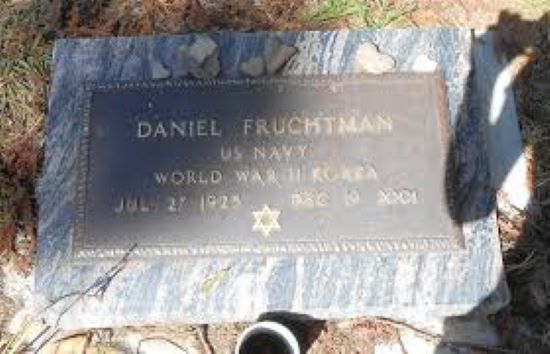
Daniel Fruchtman (1925–2001) represents a generation of Americans whose lives were shaped by major historical events yet lived largely outside the spotlight. While he was not a celebrity or public figure, his life story reflects the experiences of many individuals who contributed quietly to their families and communities. In today’s digital age, where people search for family history and genealogical records, names like Daniel Fruchtman continue to hold importance.
Born in the early twentieth century, Daniel’s lifetime stretched across periods of economic hardship, war, growth, and modernization. From the Great Depression to the technological boom of the late 1990s, he witnessed enormous change in American society. Though detailed public biographies are limited, available records provide valuable insight into his life journey.
This article explores Daniel Fruchtman’s early life, background, family roots, professional path, and later years. It also highlights his historical and genealogical significance for researchers and family members seeking to understand their heritage.
Early Life and Background
Daniel Fruchtman was born in 1925, a time when the United States was entering a period of social and economic transition. Just a few years after his birth, the country would experience the Great Depression, which deeply impacted families across the nation. Growing up during such a challenging era likely shaped his character, resilience, and outlook on life.
Children of the 1920s and 1930s often learned the value of hard work and responsibility at a young age. Economic uncertainty meant that families relied on strong bonds and shared effort. While specific details about Daniel’s childhood remain limited, it is reasonable to understand that his formative years were influenced by these broader national circumstances.
As he entered his teenage years, World War II became a defining global event. Young men of his generation were deeply affected by wartime realities, whether through military service, community involvement, or supporting the war effort at home. These experiences shaped an entire generation’s sense of duty and commitment.
Birth and Family Origins
Daniel Fruchtman was born on July 27, 1925, in Brooklyn, New York. Brooklyn during the 1920s was a vibrant and growing borough filled with immigrant families and working-class communities. It was a place where diverse cultures blended, and family traditions were strong.
His surname suggests possible European roots, as many families in New York during that era traced their heritage to Eastern or Central Europe. Brooklyn served as a common starting point for families seeking opportunity and stability in America. Growing up in such an environment likely provided Daniel with exposure to cultural diversity and strong community ties.
Family origins play an important role in understanding a person’s identity. Even when public records are limited, birthplaces and family connections offer valuable insight into the environment that shaped an individual’s early development.
Education and Early Influences
Education in the 1930s and 1940s emphasized discipline, civic responsibility, and practical skills. While detailed information about Daniel Fruchtman’s schooling is not publicly available, it is likely that he attended local schools in Brooklyn during his early years.
Young men of his era often balanced education with work responsibilities, especially during economically difficult times. Many families encouraged practical training that prepared children for stable careers. The values of perseverance and responsibility were common themes in American households at the time.
Early influences such as teachers, family mentors, and community leaders likely played a role in shaping Daniel’s outlook. Though records may not document these influences, they remain an important part of understanding his life context.
Career and Professional Life
There is limited publicly available information regarding Daniel Fruchtman’s specific profession. However, individuals born in 1925 typically entered the workforce during the mid-1940s or early 1950s, a time when America experienced economic growth and industrial expansion.
Post-war America offered new opportunities in manufacturing, business, construction, and service industries. Many individuals relocated during this period to seek employment and better living conditions. Daniel later became associated with San Luis Obispo, California, suggesting that he may have moved west in pursuit of opportunity or lifestyle change.
While not widely documented, his professional life likely reflected the steady dedication common among members of his generation. Many individuals contributed meaningfully to their workplaces and communities without receiving public recognition.
Personal Life and Relationships
Personal relationships often define a person’s life more than professional achievements. Although specific details about Daniel Fruchtman’s family life are not widely published, it is reasonable to assume he maintained close relationships with relatives, friends, and community members.
Men of his generation often valued loyalty, stability, and long-term commitment. Family life during the mid-twentieth century centered around strong support systems and shared responsibilities. Whether through marriage, parenthood, or extended family ties, these connections would have been central to his daily life.
Privacy was common among individuals of his era. Unlike today’s digital world, personal milestones were not widely shared online. As a result, much of his personal life remains respectfully private.
Life in San Luis Obispo, California
Later in life, Daniel Fruchtman became associated with San Luis Obispo, California. Located along California’s scenic Central Coast, San Luis Obispo is known for its mild climate, welcoming community, and relaxed lifestyle.
Moving from Brooklyn, New York, to California represents a significant geographical and cultural shift. During the mid-1900s, many Americans relocated to California for new job opportunities, better weather, or retirement living. San Luis Obispo, in particular, has long been considered an attractive place for those seeking a quieter, community-focused environment.
Living in this region likely offered Daniel a peaceful setting during his later years. The area’s natural beauty and strong local culture would have provided a comfortable and fulfilling lifestyle.
Later Years and Legacy
As Daniel Fruchtman entered his later years, he had already lived through decades of change. From black-and-white radios to the early days of the internet, his lifetime saw dramatic advancements in technology and society.
Legacy is not always measured by public fame. Often, it is reflected in the memories held by family members and the impact made within a local community. Though not widely documented in media archives, Daniel’s life likely influenced those around him in meaningful ways.
His generation is remembered for its resilience, adaptability, and strong work ethic. These qualities form part of his lasting legacy.
Death and Burial Information
Daniel Fruchtman passed away on December 19, 2001, at the age of 76. His passing marked the end of a life that spanned much of the twentieth century.
He was laid to rest in San Luis Cemetery in San Luis Obispo County, California. Burial records and memorial listings serve as important documentation for genealogical research. They ensure that individuals are remembered and that future generations can trace family history accurately.
Such records provide confirmation of life dates and final resting places, which are essential for preserving personal history.
Historical and Genealogical Significance
In recent years, interest in genealogy has grown significantly. Many people search for ancestors and historical family records to better understand their roots. Daniel Fruchtman’s documented birth and death information contribute to this growing field of research.
Even limited historical records can offer valuable insight into migration patterns, generational trends, and family connections. His move from New York to California reflects broader American relocation trends during the twentieth century.
For descendants or researchers, his life represents a piece of a larger historical puzzle. Each documented individual adds depth and authenticity to family trees and community histories.
Conclusion
Daniel Fruchtman (1925–2001) may not have been a public figure, but his life reflects the experiences of a generation that shaped modern America. Born in Brooklyn and later residing in San Luis Obispo, he witnessed significant historical change while contributing quietly to his community.
His story highlights the importance of preserving personal and genealogical records. While detailed accounts of his career and personal achievements remain limited, his documented life dates and locations provide meaningful context.
In remembering individuals like Daniel Fruchtman, we honor not only one person but an entire generation defined by resilience, dedication, and steady commitment to family and community.
Also Read:
