

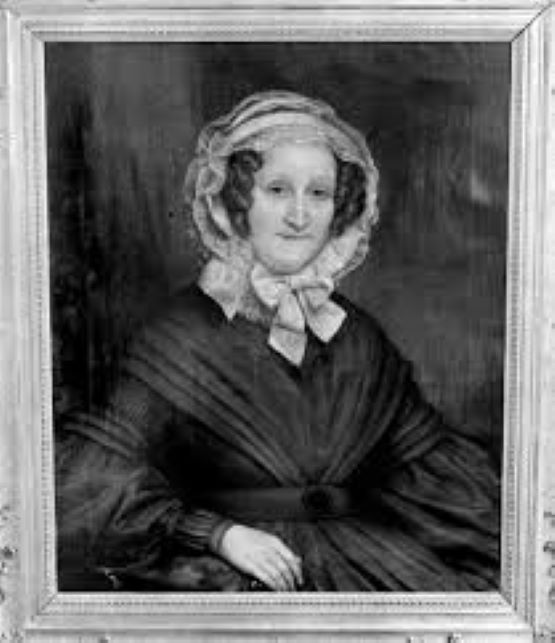
Aleida van Vlierden may not be a widely recognized name in modern history, but her life is intertwined with significant figures and events in Dutch history. Known primarily as the wife of Herman Willem Daendels, a prominent Dutch general and colonial administrator, Aleida’s contributions and her personal story are often overshadowed by her husband’s fame. However, through genealogical and historical records, Aleida’s role in the Dutch colonial legacy and her life as a mother and wife have been preserved. This article explores Aleida van Vlierden’s life, her family background, her marriage to Daendels, and her private life that remains largely out of the public eye.
Early Life and Family Background
Born in 1768 in Hattem, Gelderland, Netherlands, Aleida van Vlierden grew up in a family that was neither wealthy nor famous, but had deep roots in Dutch society. The specifics of her early life are not well-documented, but she grew up during a period when the Dutch Republic was experiencing significant political and economic changes, eventually evolving into the Batavian Republic and later the Kingdom of the Netherlands.Growing up during such a transformative time likely influenced Aleida’s worldview and her role within the family.
Aleida’s family background, while not as well-documented as her husband’s, was grounded in the middle class, as many families of that era were. Her heritage and upbringing in the Netherlands likely emphasized values like education, community involvement, and family life. She would later go on to marry into a family that would elevate her to a position of prominence, but her early life and background provided the foundation for the strong character and values she would later pass on to her own children.
Marriage to Herman Willem Daendels
In 1795, Aleida married Herman Willem Daendels, a man who would go on to become one of the most important military and political figures in the Netherlands during the late 18th and early 19th centuries. Daendels played a significant role in Napoleonic wars, serving as a general and later as the Governor-General of the Dutch East Indies. His military and political career meant that Aleida’s life became closely linked with the colonial ambitions of the Netherlands.
Their marriage not only placed Aleida at the heart of Dutch military and political affairs, but also led her to travel with him to places like Java, which was part of the Dutch East Indies at the time. Though there’s limited information on the personal dynamics of their relationship, it’s likely that Aleida had to navigate the challenges of being a military wife in an era marked by political upheaval, long absences, and the demands of colonial administration. Their marriage was a partnership where Aleida, though not in the spotlight herself, contributed to the success of Daendels’ career by being a supportive spouse and mother.
Family Life and Children
Together, Aleida and Herman Willem Daendels had several children, although specific details on the number and names of their offspring are less frequently mentioned in historical accounts. What is evident, however, is that Aleida was a dedicated mother, guiding her children through the challenges of life in the Netherlands during the Napoleonic era.
As the wife of a prominent figure, Aleida’s family life would have been filled with the challenges of maintaining a stable household while her husband was often away due to his military responsibilities. However, despite the pressures of colonial life and political uncertainty, Aleida was instrumental in raising her children and ensuring they received the values of education, discipline, and family unity.
Her family’s legacy, particularly through her children, would continue to impact Dutch society, even if the specifics of their lives remain largely hidden in historical records. While her own contributions may have been overshadowed by the political and military career of her husband, Aleida’s role as a mother and wife remains an essential aspect of her life’s story.
Aleida’s Place in History
Aleida van Vlierden’s place in history is mostly defined by her association with Herman Willem Daendels. However, as a historical figure, her influence should not be overlooked. Her role in supporting her husband’s career, managing their household, and raising their children during a time of political upheaval speaks to the strength and resilience that many women of her era displayed.
Though not a public figure in the traditional sense, Aleida’s life reflects the sacrifices and challenges faced by many women who played supporting roles during periods of war and colonial expansion. Her legacy is often intertwined with her husband’s, but her ability to navigate personal hardships and family responsibilities during an era of political turbulence adds depth to the story of the Daendels family.
Aleida van Vlierden’s Private Life
Much of Aleida’s private life remains a mystery, as she did not leave behind extensive personal records or memoirs. Unlike her husband, who was deeply involved in the public sphere, Aleida’s role was mostly confined to the domestic sphere. She focused on maintaining her household, raising children, and supporting her husband in his military and political endeavors. However, we do know that she was resilient, handling the challenges of colonial life with grace and determination.
Her private life likely revolved around her faith, family values, and dedication to her husband’s work, all of which were critical elements in helping her navigate the complexities of military life and the colonial era. She is remembered as a supportive wife and mother, who played a vital role in the stability of the family, even if her contributions were not always in the public eye.
Conclusion
Aleida van Vlierden may not have achieved the same level of fame as her husband, Herman Willem Daendels, but her life was one of quiet strength and important contributions to her family. As the wife of a prominent Dutch general and colonial administrator, Aleida navigated the complexities of military and colonial life while maintaining a strong family unit. Though much of her life remains unrecorded, her legacy endures through the influence she had on her children and the role she played in supporting her husband’s monumental career. In the grand tapestry of history, Aleida’s story serves as a reminder of the unsung heroes who shaped the lives of those around them, even if their contributions remain largely invisible to the public eye.
Also Read:
