

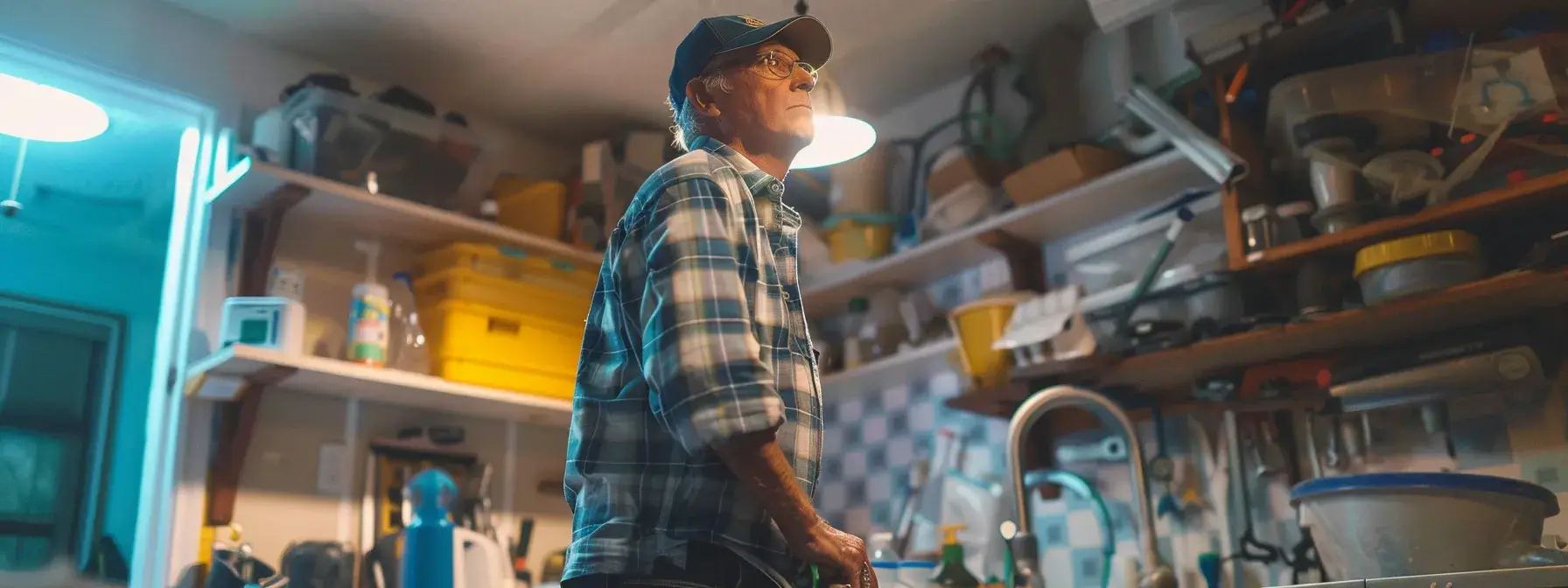
When faced with plumbing issues, homeowners often find themselves at a crossroads: tackling the problem themselves or hiring a professional Plumber. The decision isn’t just about immediate costs; it also involves considering long-term savings and potential risks. This article will explore the advantages and disadvantages of DIY plumbing versus professional services, helping you make an informed choice tailored to your needs. We’ll delve into cost-effective DIY solutions, weigh the expertise of professionals, compare expenses, and assess long-term benefits to determine which option truly saves you more money.
DIY Plumbing: Cost-Effective Solutions for Homeowners
DIY plumbing can be an attractive option for homeowners looking to save money on minor repairs. Tools like a pipe wrench or Plumber’s tape are readily available at hardware stores, making it easy for motivated individuals to tackle small leaks or clogged drains. A Home Staging Specialist can advise on maintaining aesthetic value while addressing these issues. DIY solutions are particularly beneficial when the problem is straightforward, such as replacing a washer in a leaky faucet or unclogging a sink. These tasks often require minimal investment and can be completed with basic guidance found online.
However, it’s essential to conduct a Childproofing Assessment before starting any DIY plumbing work to ensure safety, especially if you have young children at home. While cost-effective, DIY plumbing can sometimes lead to complications if not executed properly. Incorrect installations or repairs can cause further damage, leading to higher costs in the long run. Homeowners should weigh the simplicity of the task against their skill level to avoid unnecessary expenses.
Recent guidance from Family Handyman suggests that homeowners can reduce repair costs by 50% by handling minor plumbing fixes themselves. However, proper knowledge and tools are crucial for success.
Professional Plumbing: Quality Services and Expertise
Hiring a professional Plumber brings a level of expertise and quality assurance that DIY solutions may lack. Professionals are trained to handle complex plumbing issues, ensuring repairs are done correctly and efficiently. They possess specialized tools and knowledge that can prevent future problems, potentially saving money over time. For instance, a Feng Shui Consultant might recommend professional plumbing to maintain harmony and functionality within the home.
Professional Plumbers also conduct thorough Indoor Air Quality Assessments during service visits, identifying hidden issues that could impact health and comfort. Their experience allows them to address problems swiftly, reducing downtime and inconvenience for homeowners. While upfront costs are higher compared to DIY methods, the assurance of a job well done offers peace of mind and can prevent costly mistakes that might arise from amateur repairs.
A report from Angie’s List indicates that professional services can reduce the risk of recurrence by 70%, highlighting the long-term financial benefits.
Comparing Costs: When to DIY and When to Hire a Pro
Determining whether to opt for DIY or professional plumbing hinges on understanding the complexity of the problem and potential long-term costs. Minor issues, such as a simple leak, might be manageable with a DIY approach, saving immediate costs. However, for intricate problems, hiring a professional Plumber may be more cost-effective in the long run. A Property Condition Assessment (PCA) can provide insights into the home’s plumbing needs, guiding the decision.
Homeowners should consider a Resale Value Analysis when assessing the impact of plumbing choices on property value. Professional work often enhances resale prospects, as potential buyers favor homes with well-maintained systems. Moreover, investing in professional services can align with Universal Design principles, ensuring accessibility and functionality for all family members.
Ultimately, knowing when to DIY and when to hire a pro is crucial. While DIY methods can save money initially, professional expertise can safeguard against future expenses, offering a balance between cost and quality.
Long-Term Savings: Evaluating Risks and Benefits
Long-term savings in plumbing are not solely about immediate costs but also consider the risks associated with DIY repairs versus professional services. DIY solutions often lack the comprehensive approach offered by professionals, which can lead to overlooked issues and subsequent costs. Home Energy Audits, conducted by experts, can identify plumbing inefficiencies that might not be apparent to the average homeowner.
Furthermore, professionals are familiar with Lead-Based Paint Compliance, ensuring safety in older homes during plumbing renovations. Their expertise in Smart Home Integration Technician protocols can also optimize plumbing systems for efficiency, contributing to long-term savings. Sustainable Landscaping Practices can minimize water usage, reducing utility bills and environmental impact.
In conclusion, evaluating risks and benefits is essential for determining the best approach to plumbing needs. Professional services offer lasting solutions that can prevent recurring issues and enhance overall home value, making them a worthy investment for discerning homeowners.
Conclusion

Choosing between DIY and professional plumbing services involves weighing immediate costs against potential long-term savings and risks. While DIY methods can be cost-effective for simple tasks, professional services offer expertise and assurance that can prevent future expenses. Homeowners should assess their skill level and the complexity of the plumbing issue before deciding. Ultimately, investing in professional services can provide peace of mind and maintain property value, ensuring a smart choice for the future.
