

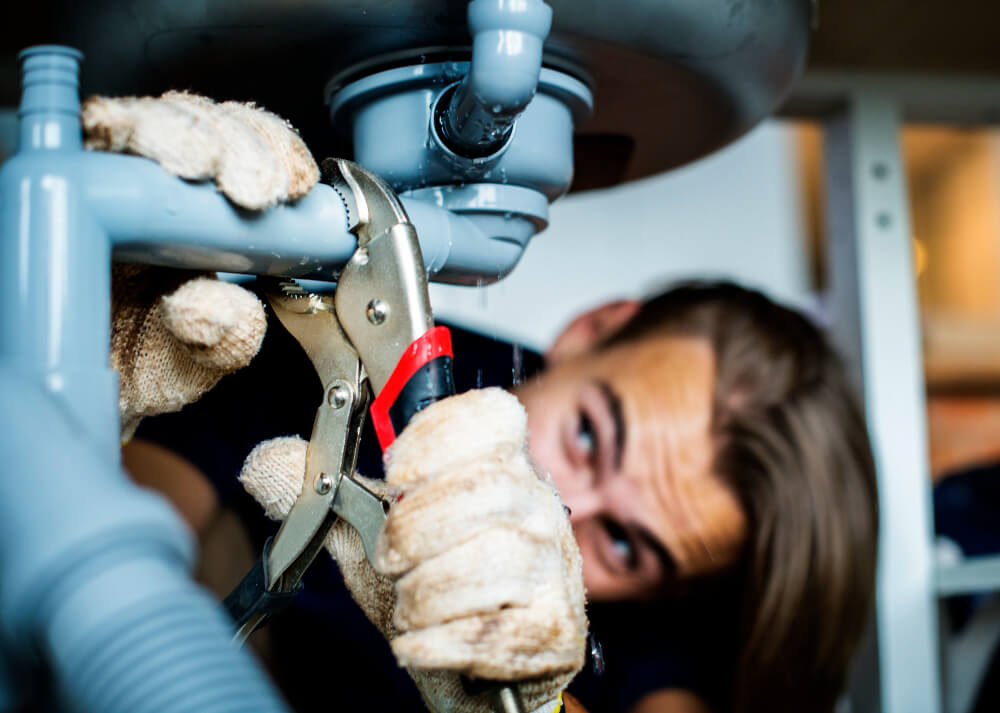
Living in a historic Norristown home comes with a sense of character and architectural beauty, but winter brings a specific challenge: outdated pipes that are vulnerable to freezing. Many older properties have original plumbing made from materials like galvanized steel or cast iron, which are more likely to crack or burst when exposed to freezing temperatures. When a cold snap hits, even a small section of exposed pipe in a drafty basement or crawl space can lead to costly water damage and major disruption. Hiring a local professional before winter sets in is the most effective way to identify these weak points and shield your home from the freeze-thaw cycles common in southeastern Pennsylvania. A qualified plumber can assess your property’s unique risks and apply targeted solutions that go beyond generic advice, helping you protect both your investment and your peace of mind.
Unique Plumbing Vulnerabilities in Norristown Historic Properties
Historic homes in Norristown often feature original or decades-old plumbing systems, which can be particularly susceptible to winter weather. Unlike modern piping, older materials are prone to corrosion and lack the insulation standards seen in new construction. The result is a network of pipes that may run through unheated spaces, such as exterior walls or uninsulated basements, increasing the risk of freezing. These vulnerabilities are compounded by the architectural layout of historic homes, which can make some pipes difficult to access or monitor.
One common issue is the presence of lead or galvanized steel water lines. These materials not only deteriorate over time, but also transfer cold more readily, allowing freezing temperatures to reach water inside the pipes faster than in newer systems. Identifying and replacing these outdated lines is a key step in winter protection. As detailed in historic home plumbing preservation, maintaining the integrity of original materials while updating critical components is essential for both safety and functionality.
Professional plumbers familiar with Norristown’s historic architecture understand the specific challenges these homes present. They can spot subtle warning signs—such as small leaks or rust spots—before they become emergencies in the middle of a winter night.
Professional Winterization Techniques for Aging Infrastructure
Addressing the risks of frozen pipes in a historic property requires more than simply wrapping exposed plumbing with insulation. Licensed plumbers use a range of specialized winterization techniques designed for aging infrastructure. One such method is insulating vulnerable sections with modern thermal wraps that fit around pipes, even in tight or narrow spaces often found in older basements and crawlspaces.
Another critical process is draining and shutting off exterior water lines that are no longer in use for the season. By removing standing water from outdoor faucets and irrigation systems, a plumber helps prevent freeze-related bursts that can cause extensive indoor flooding. The use of heat cables, which provide controlled warmth along cold-prone sections, is another strategy that can be particularly useful in historic homes with limited insulation options.
According to best practices for winterizing old plumbing systems, a thorough inspection and targeted upgrades ensure that both visible and hidden pipes are protected. These professional-grade solutions go far beyond what store-bought pipe covers can achieve.
Local Norristown Plumbing Expertise for Sub-Zero Temperatures
Norristown’s winter climate features sharp temperature drops and frequent freeze-thaw cycles, creating unique challenges for historic homes. Local plumbers bring critical expertise in adapting to these conditions, including identifying hidden cold spots that can threaten pipes deep within a property’s structure. For example, a Plumber in Norristown can pinpoint areas where drafts or insufficient insulation allow cold air to reach plumbing, even if those areas are out of sight to the homeowner. This kind of local insight helps ensure that each intervention is tailored to the specific temperature patterns and architectural quirks of Norristown’s historic districts.
Area professionals are also familiar with regional building codes, which may require specific methods for insulating or rerouting pipes in older structures. This means any work performed is not only effective but also compliant with local regulations, reducing the risk of future complications or code violations.
By leveraging both technical skill and local knowledge, these experts provide homeowners with custom winterization plans that address the full range of risks faced by historic properties in southeastern Pennsylvania.
Long-Term Cost Savings from Preventative Pipe Maintenance
Investing in preventative pipe maintenance delivers long-term savings that go far beyond avoiding emergency repairs. When a frozen pipe bursts, the resulting water damage can impact original woodwork, plaster walls, and even the structural integrity of a historic home. Homeowners must then contend with expensive repairs, possible mold remediation, and the loss of irreplaceable architectural details.
Routine inspections and targeted upgrades—such as replacing outdated pipe sections or improving insulation—help prevent these costly disasters. Over time, the expense of regular maintenance is far less than the price of major restoration work after a winter plumbing failure. These preventative measures also help preserve the value and historic character of the property, which is especially important in communities where architectural heritage is a point of pride.
Proactive attention to winterization can also reduce insurance claims and premiums by minimizing the risk of water damage, offering another layer of financial protection for owners of historic homes.
Conclusion
Scheduling an assessment with a qualified local plumber well before winter arrives is the most effective step homeowners of historic Norristown properties can take to prevent frozen pipes. Prioritize a custom winterization plan that addresses your home’s unique vulnerabilities, and ensure that any recommended upgrades fit both the property’s age and its original design features.
