

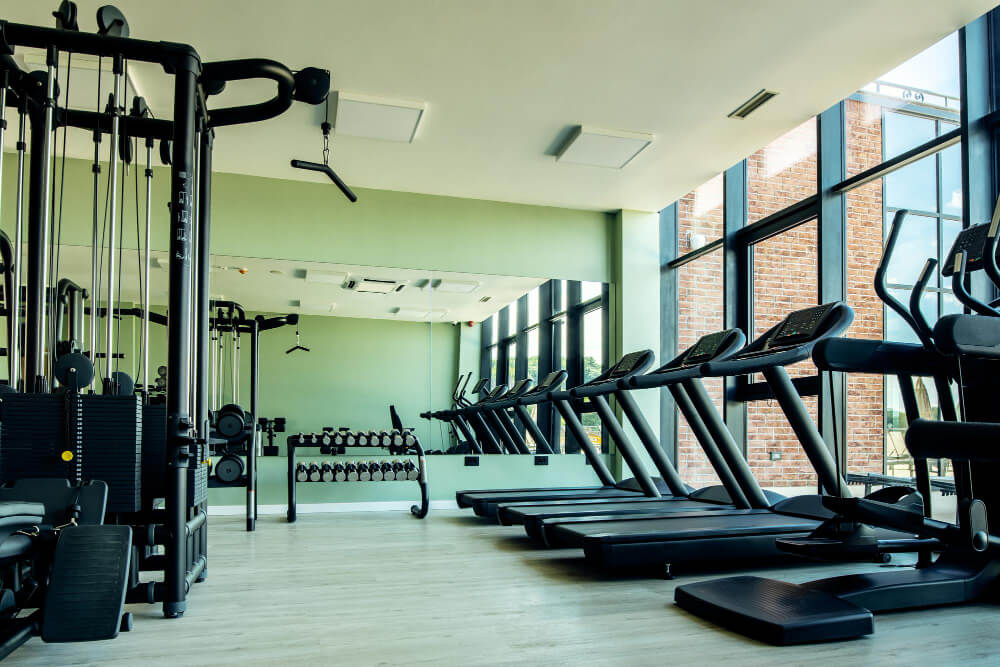
Opening a fitness center starts with a clear vision. Some people imagine a private gym for personal training, while others want a larger facility with cardio equipment, weights, and recovery spaces. Construction costs and layout limitations can quickly make the process feel overwhelming. Prefab steel structures continue gaining attention because they support flexible layouts, open interiors, and faster project timelines. This article explains how to plan and build a practical fitness center that supports long-term daily operations.
Layout Planning For Better Movement
A fitness center should feel comfortable and easy to move through during busy hours. Poor layouts may create congestion near equipment areas or make workout zones feel cramped. Many gym owners choose pre-engineered steel buildings because the open-span interiors support better traffic flow and more organized workout spaces for members and staff.
Cardio Training Areas
Cardio sections usually work better near brighter areas with stronger airflow. Treadmills, bikes, and rowing machines need enough spacing for safer movement between equipment. Proper placement also helps reduce noise concentration during busy workout periods.
Strength Training Sections
Strength training zones require reinforced flooring and practical spacing between racks or free-weight stations. Wider layouts help members move safely while reducing crowding near heavier equipment. Clear organization also supports better visibility throughout the workout space.
Group Fitness Spaces
Group workout rooms should remain separate from louder gym areas whenever possible. Fitness classes usually require open movement space and better sound control for instructors. Flexible layouts also allow these areas to support stretching or recovery sessions later.
Ceiling Height And Ventilation Design
Ceiling height directly affects comfort inside a fitness center. Low ceilings may make larger gyms feel crowded, especially during peak operating hours. Taller interiors improve airflow while helping the facility feel brighter and more open throughout the day.
Proper ventilation also supports healthier indoor conditions during heavy daily use. Many owners using pre-engineered steel buildings include roof ventilation systems and insulated wall panels to improve temperature control. Better airflow helps maintain comfort while reducing moisture buildup inside workout areas.
Flooring And Equipment Placement
Gym flooring must handle constant foot traffic along with heavy equipment use every day. Free weights, resistance machines, and treadmills place pressure on the flooring systems throughout the facility. Durable flooring materials help reduce maintenance concerns while improving overall safety for gym members.
Equipment placement should also support smoother movement between workout sections. Poor organization can make a fitness center feel smaller than it actually is during busy hours. Careful spacing improves operational flow while helping members move comfortably between training areas.
Professional Guidance And Final Construction Decisions
Experienced professionals help fitness center owners choose layouts, insulation systems, and structural dimensions suited for long-term operational goals. Their guidance may also help prevent design mistakes that affect future expansion or equipment placement later. Reliable planning support usually improves construction efficiency from the beginning.
Structural Planning Support
Contractors familiar with steel fitness facilities can explain how clear-span interiors improve equipment organization. Their advice may also help owners choose practical roof heights and ventilation layouts. Strong structural planning usually supports better long-term gym functionality.
Interior Efficiency Recommendations
Experienced professionals may also recommend layouts that improve member traffic flow and equipment accessibility. Practical design adjustments early in the project can reduce costly modifications later. Organized planning helps fitness centers remain easier to manage during daily operations.
Many successful pre-engineered metal buildings fitness projects begin with realistic planning and careful layout decisions. Strong airflow, organized workout zones, and practical storage all help create a more comfortable gym environment. Property owners who focus on long-term functionality usually build fitness centers that remain durable, efficient, and welcoming for members through years of everyday use.
